
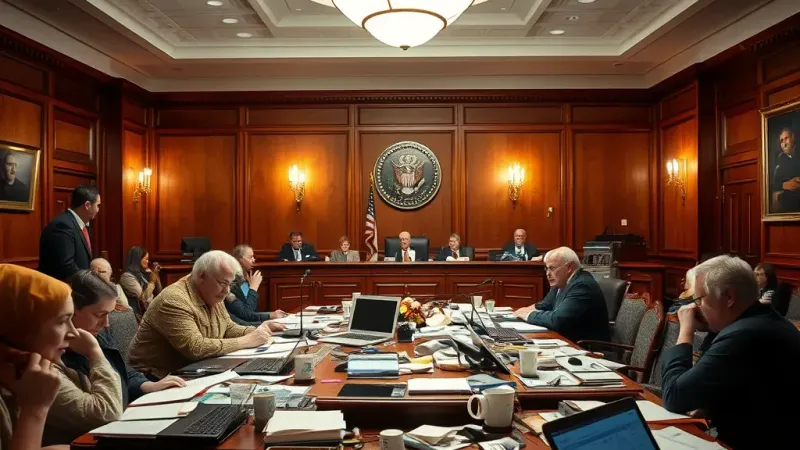
As CommonWealth Beacon reported, legislators face a deadline of January 5, 2027, for passing the energy bill as energy affordability negotiations enter scramble mode. This critical legislative deadline approaches as state leaders grapple with complex policy proposals. Gov. Maura Healey filed an original energy bill eighteen months prior to the current legislative scramble, setting off a lengthy period of review, debate, and ongoing negotiations among lawmakers and stakeholders across the state.
As discussions continue through this sensitive moment, Sen. Michael Barrett described a fifty-fifty chance of passing legislation. Speaking about the current state of affairs, Sen. Michael Barrett told CommonWealth Beacon it is a "50-50 chance" that a final bill will successfully clear the necessary legislative hurdles before the clock runs out. Furthermore, Sen. Michael Barrett told CommonWealth Beacon that "Things have not gone particularly well" as lawmakers attempt to bridge their differences and reach a comprehensive agreement on energy affordability.
Leadership within the legislative branches plays a central role in shaping the final outcome. Rep. Mark Cusack of Braintree serves as the house energy committee head, guiding the chamber's approach to the complex statutes. During the legislative process, the house version cut one billion dollars from the Mass Save budget, a significant reduction that has drawn attention from participants in the energy debate. Additionally, as stakeholders weigh in on the ongoing policy discussions, Eversource executives submitted a twenty-page letter in October detailing various corporate perspectives and data regarding the energy sector.
The broader debate over energy affordability is deeply intertwined with the underlying drivers of consumer utility expenses. Providing detailed financial context on the matter, the Acadia Center reported that supply, transmission, and distribution costs drove over ninety-two percent of bill increases for consumers. In contrast, the Acadia Center noted that clean energy, efficiency, and low-income assistance accounted for eight percent of bill increases, highlighting the primary financial components affecting household utility bills across the region.
Beyond the ongoing legislative battles at the state house, practical energy efficiency and modernization projects continue to unfold on the ground. Reflecting these practical efforts, Boston and utility partners installed more than two thousand seven hundred heat pumps to help improve efficiency and manage costs for local residents. Furthermore, officials weatherized five thousand homes over the prior year, marking a tangible milestone in state and local efforts to curb energy consumption and lower utility burdens before the looming January deadline arrives.